
MCAT Organic Chemistry · Lesson 3
Bonding
3 min read3 sectionsUpdated
3 sections
3.1 Atomic Orbitals and Quantum Numbers
This section covers the quantum numbers (n, l, mₗ, mₛ), what they describe about electrons, and the shapes/orientations of s, p, and d orbitals.
- Bonding happens in the outermost e⁻ shell.
- First 3 quantum numbers (n, l, mₗ) describe size, shape, number, and orientation of atomic orbitals.
Principal Quantum Number (n)
- Corresponds to energy level of an e⁻ → basically the size of the orbital.
- Smaller n → closer to nucleus → lower energy.
- (MCAT: up to 7)
Azimuthal Quantum Number (l)
- Describes subshell shape.
- Subshells:
- Higher l = higher energy.
Magnetic Quantum Number (mₗ)
- Ranges from .
- For l = 2 (d subshell) → (each with ± spin → 10 combinations)
Orbital Shapes
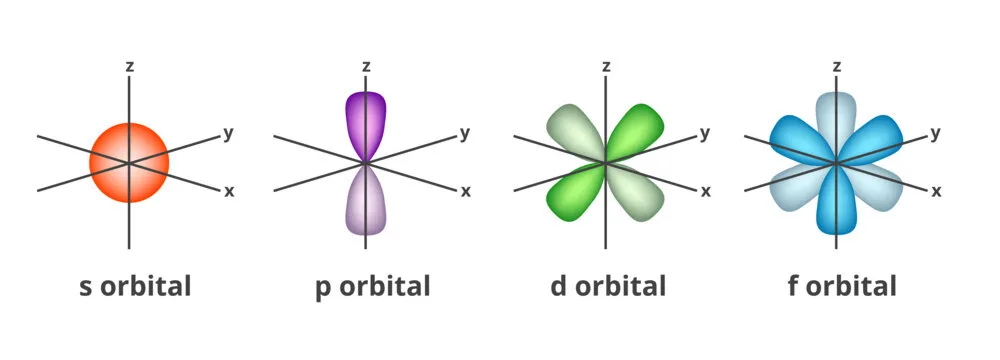
- s orbital: spherical + symmetric around nucleus.
- p orbitals: two-lobed dumbbells; node at nucleus; oriented along x, y, z.
- 3 total:
- d orbitals: 4 clover-shaped + 1 donut-shaped.
Spin Quantum Number (mₛ)
- Values: .
- Each orbital holds 2 e⁻.
3.2 Molecular Orbitals
This section explains how atomic orbitals combine into bonding or antibonding orbitals and how σ and π bonds form.
- Molecular orbitals form by adding or subtracting atomic orbital wave functions.
- Bonding orbital: formed when signs match → low energy.
- Antibonding orbital: signs opposite → high energy.
Sigma (σ) Bonds
- Formed from head-to-head or tail-to-tail overlap.
- All single bonds are σ bonds.
Pi (π) Bonds
- Formed from side-by-side overlap of p orbitals.
- A double bond = 1 σ + 1 π.
- A triple bond = 1 σ + 2 π.
Bond Rotation + Length
- π bonds restrict rotation.
- More bonds = shorter + stronger overall bond.
- σ bonds stronger than individual π bonds because s orbitals overlap more effectively.
- Breaking π bonds (but keeping σ) is common in orgo.
Extra notes
- Proteins have limited rotation due to resonance in amide bonds.
- π bond cannot exist alone—needs σ bond to align p orbitals.
3.3 Hybridization
This section covers sp³, sp², and sp hybridization, their geometries, and how resonance delocalizes electrons.
sp³ Hybridization
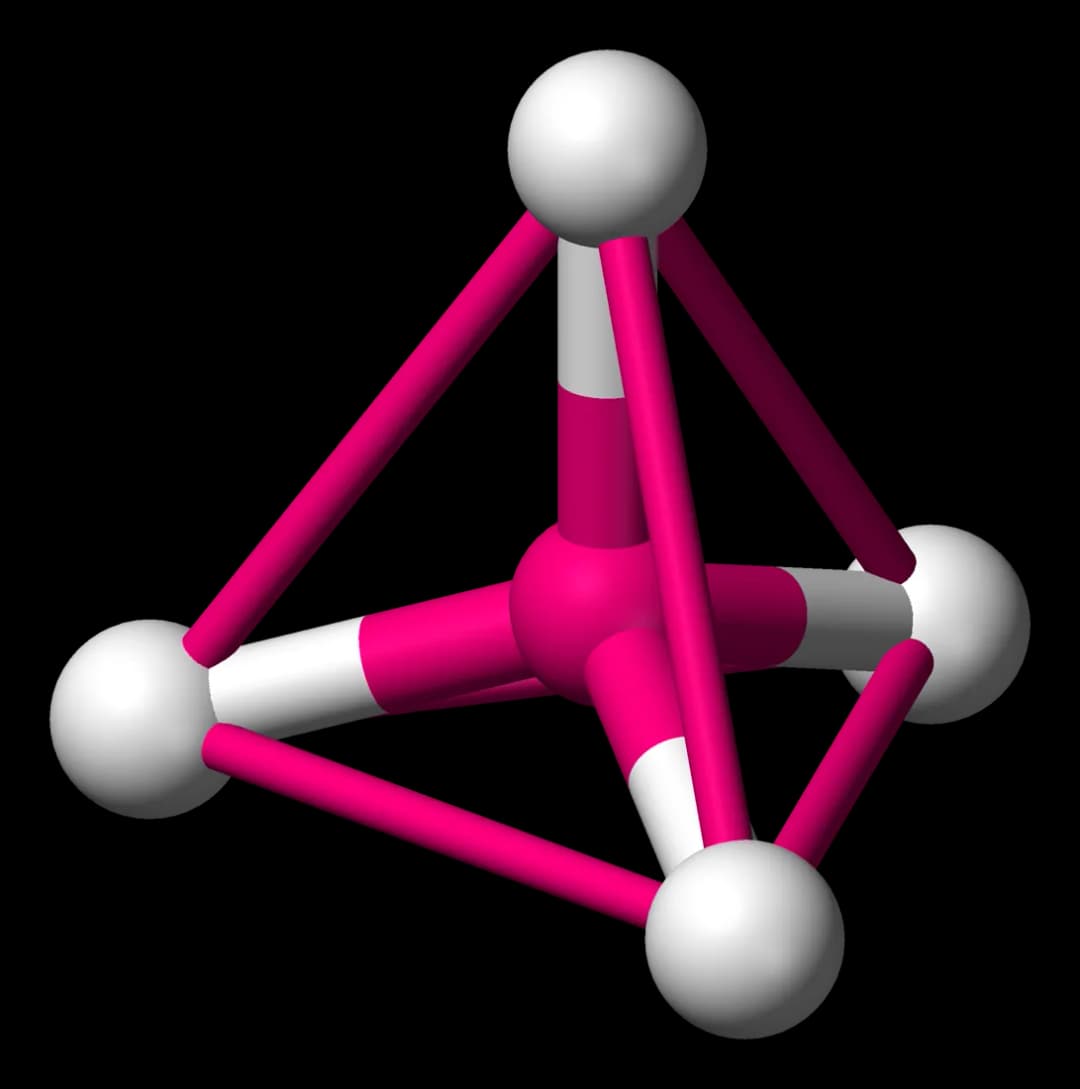
- 1 s + 3 p orbitals.
- Tetrahedral geometry.
- No unhybridized p orbitals → no π bonds.
- Character: 25% s / 75% p.
sp² Hybridization
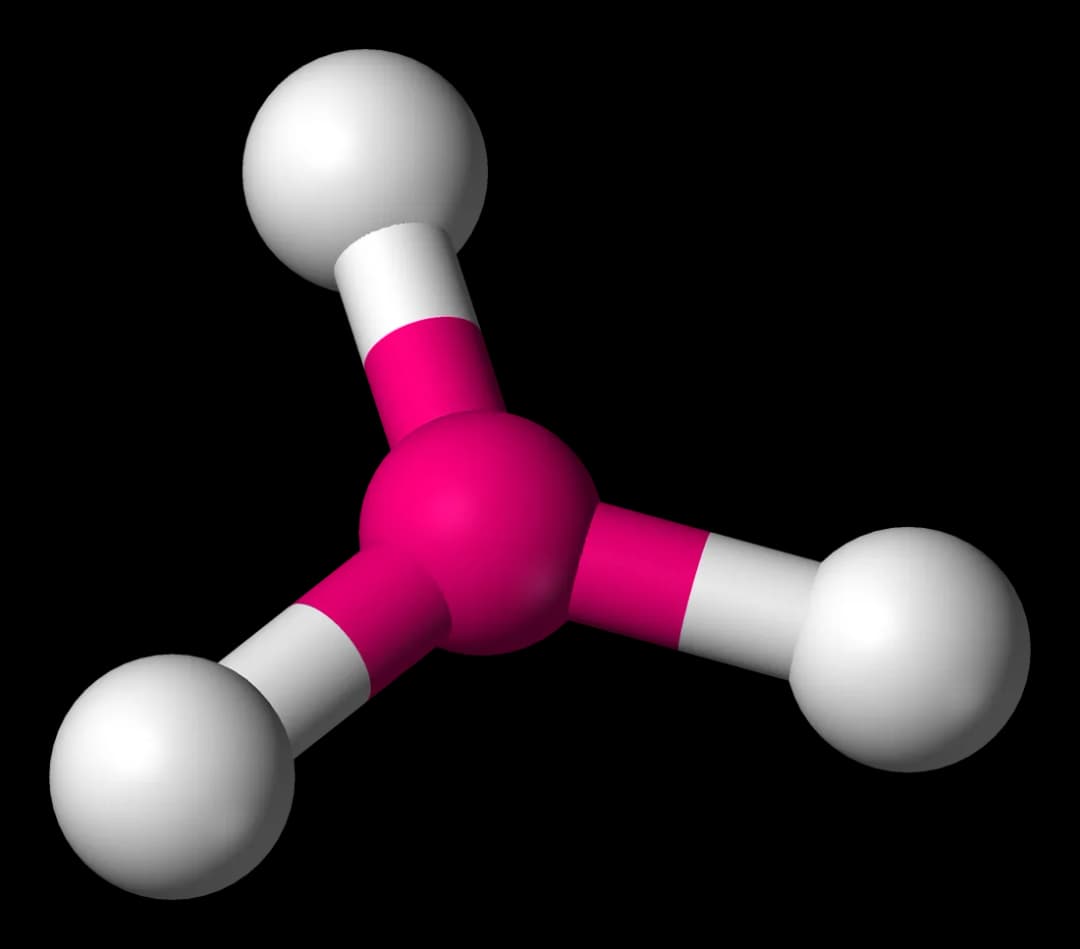
- 1 s + 2 p orbitals.
- Seen in alkenes.
- 120° spacing (trigonal planar).
- In ethene: 2 orbitals → C–H, 1 orbital → C=C σ bond.
sp Hybridization
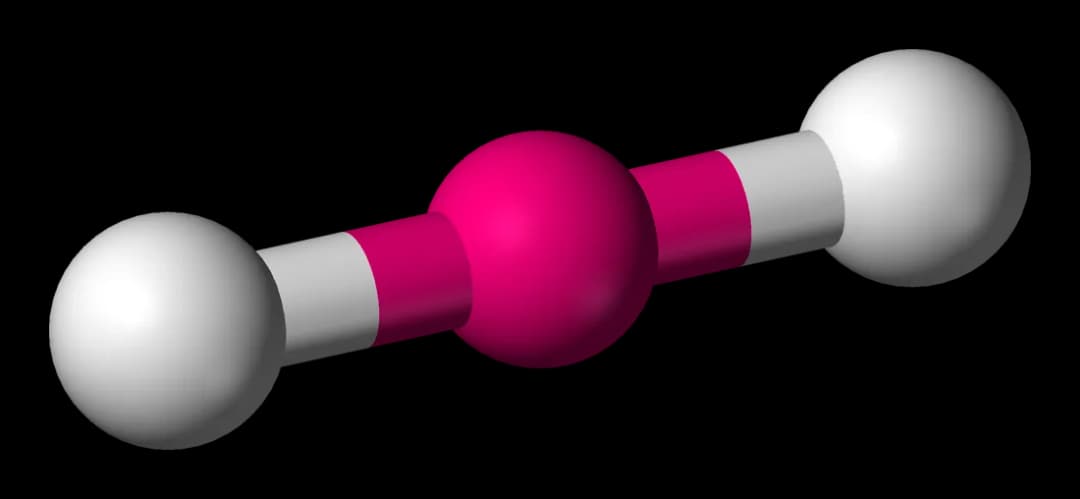
- 1 s + 1 p → 2 sp orbitals; 2 p orbitals remain for π bonds.
- Linear geometry (180°).
- Used for triple bonds or 2 double bonds.
- Example: BeH₂ is sp-hybridized.
Resonance
- Delocalization of e⁻ in conjugated systems (alternating single/multiple bonds).
- Needs unhybridized p orbitals aligned in backbone.
- Resonance hybrid = real structure.
- More stable structures contribute more to hybrid.
Spotted something wrong or unclear? Tell us — these notes are revised continuously.